
Missing teeth can affect more than just your appearance, they impact your ability to eat comfortably, speak clearly, and feel confident in social situations. At Ideal Smiles Family Dentistry, Dr. Chiara Combs DDS provides advanced dental implants in Houston that restore both function and aesthetics to your smile. Our comprehensive approach combines surgical precision with personalized care, ensuring you receive a permanent tooth replacement solution that looks, feels, and functions like your natural teeth while supporting your long-term oral health.
Dental Implants in Houston
Understanding Dental Implants
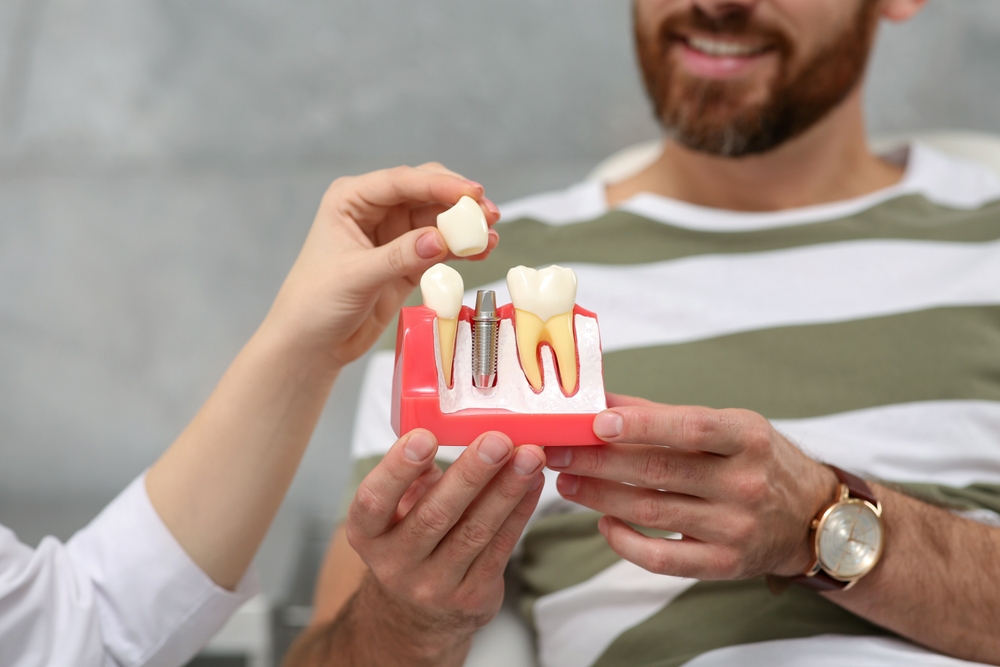
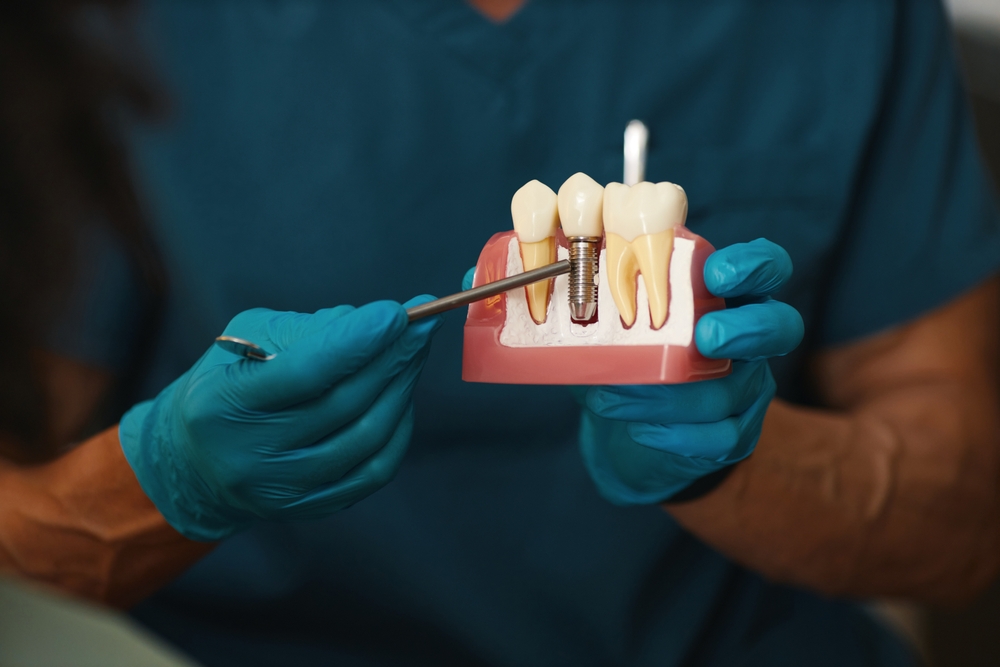
Dental implants are titanium posts surgically placed into your jaw bone to serve as artificial tooth roots, providing a stable foundation for replacement teeth. This innovative dental treatment has become the gold standard for tooth replacement because it’s the only option that prevents bone loss and preserves your facial structure. The titanium post fuses with your jaw bone through a process called osseointegration, creating a secure anchor that can support a single dental crown, multiple teeth via dental bridges, or even full-arch implant dentures.
The procedure offers distinct advantages over traditional tooth replacement methods like conventional dentures or bridges. Unlike dentures that rest on your gums and may slip or cause discomfort, a dental implant is permanently fixed in place and won’t move while you eat or speak. Unlike dental bridges that require grinding down adjacent healthy teeth for support, implants stand independently without affecting neighboring teeth. Modern dental technology has made dental implant procedures more predictable and comfortable than ever, with success rates exceeding 95% when properly planned and maintained.
Benefits of Dental Implants
Permanent Solution That Preserves Jaw Bone Health
One of the most significant advantages of dental implants is their ability to prevent the bone deterioration that naturally occurs after tooth loss. When you lose a tooth, the jaw bone in that area begins to shrink because it no longer receives stimulation through chewing forces. An implant transfers these forces directly into the bone, maintaining its density and volume just like natural tooth roots. This bone preservation protects your facial structure, preventing the sunken appearance that often develops in people who’ve worn traditional dentures for years. By maintaining your bone health, implants also preserve your candidacy for future dental treatments and help maintain proper alignment of your remaining natural teeth.
Natural Appearance and Comfortable Function
Modern dental implants are designed to look and feel so natural that most people won’t be able to distinguish them from your real teeth. The visible portion, a dental crown, bridge, or implant-supported dentures, is custom-crafted to match the color, shape, and size of your surrounding teeth for seamless integration. You’ll regain full chewing power, allowing you to enjoy all your favorite foods without restrictions or worry about your teeth shifting. Speaking also becomes easier and more natural compared to removable dentures that can slip or click. This restoration of normal function significantly improves your quality of life and eliminates the self-consciousness many people feel about missing teeth.
Durability That Lasts a Lifetime With Proper Care
Dental implants represent a long-term investment in your oral health, with the titanium posts themselves often lasting a lifetime when properly maintained. The crown, bridge, or denture attached to the implants may need replacement after 10 to 15 years due to normal wear, but this is far less frequent than the adjustments and replacements required for traditional dentures. The exceptional durability comes through the biological fusion between titanium and bone, creating a connection as strong as natural tooth roots. This longevity makes implants highly valuable when considering the total lifespan of your dental treatment, as you won’t face the recurring inconveniences associated with other replacement options.
Independence From Adjacent Teeth Protects Healthy Structure
Unlike traditional dental bridges that require grinding down healthy adjacent teeth to serve as anchors, dental implants stand on their own without compromising surrounding teeth. This preservation of healthy tooth structure is crucial for maintaining your overall oral health and reducing the risk of future dental problems. The teeth next to your implant remain intact and strong, continuing to function normally without additional stress or modification. This independent approach also makes oral hygiene easier, as you can brush and floss around implants just like natural teeth without navigating under bridge pontics or dealing with special cleaning requirements.
Eliminate Inconveniences of Removable Dentures
Dental implants free you through the daily hassles and limitations that come with traditional removable dentures. You won’t need messy adhesives to keep your teeth in place, won’t experience embarrassing slipping during conversations or meals, and won’t struggle with sore spots caused by ill-fitting appliances. Implant-supported dentures snap securely onto the implant posts, remaining stable throughout the day while still being removable for cleaning. This stability dramatically improves your eating experience, allowing you to bite into crunchy vegetables, enjoy chewy meats, and eat with confidence in any social setting. The elimination of these daily frustrations significantly enhances your overall dental experience and quality of life.
Our Dental Implant Treatment Process
Initial Examination Using Advanced Dental Technology
Your dental implants’ experience begins with Dr. Chiara Combs DDS conducting a thorough examination of your oral health, jaw bone density, and overall suitability for implant placement. We use advanced dental technology including 3D imaging and CT scans to assess your bone structure, identify the optimal implant positions, and plan the surgical approach with precision. During this appointment, we’ll discuss your medical history, any medications you’re taking, and your expectations for the final result. This detailed planning phase ensures we can predict and prepare for any challenges, maximizing the success of your dental implant procedures.
Computer-Guided Oral Surgery for Precise Placement
The oral surgery to place your dental implants is typically performed in our office using local anesthesia to ensure your comfort throughout the procedure. Dr. Combs makes a small incision in your gum tissue, creates a precise opening in the jaw bone, and carefully positions the titanium implant post at the planned angle and depth. The gum tissue is then sutured closed over or around the implant, and a protective healing cap is placed. Most patients report minimal discomfort during the procedure itself, and post-surgical pain is typically manageable with over-the-counter medication and proper aftercare.
Osseointegration and Bone Fusion Period
After placement of dental implants, your jaw bone needs time to grow around and fuse with the titanium posts, a process called osseointegration that typically takes three to six months. During this healing period, you’ll wear a temporary restoration to maintain your appearance and function while the implants integrate. We’ll provide detailed instructions on caring for the surgical sites, including dietary recommendations and dental hygiene practices that promote healing without disturbing the implants. Regular check-ups during this phase allow us to monitor the integration process and ensure everything is progressing as expected.
Connecting Abutments and Custom Restorations
Once osseointegration is complete, you’ll return for a minor procedure where Dr. Combs attaches small connector pieces called abutments to the top of each implant post. These abutments serve as the attachment points for your final restoration, individual dental crowns, dental bridges, or implant dentures. We’ll take impressions of your mouth to create custom restorations that match your natural teeth in color, shape, and size. When your final prosthetics are ready, we’ll securely attach them to the abutments, make any necessary adjustments for proper fit and bite, and ensure you’re completely satisfied with both the appearance and function.
Ongoing Monitoring and Routine Dental Cleanings
Maintaining your dental implants requires the same dedication to dental hygiene as natural teeth, including brushing twice daily, flossing once daily, and attending routine dental cleanings every six months. During these visits, we’ll examine your implants, check for any signs of inflammation or complications, and professionally clean around the restoration and implant sites. Dr. Combs will also evaluate your bite and the condition of any crowns or dentures attached to the implants, addressing wear or loosening before they become significant problems. This ongoing care ensures your implants continue functioning properly for decades while supporting your overall oral health.
Why Choose Us for Dental Implants
Dr. Chiara Combs DDS has extensive training and experience in both the surgical placement of dental implants and the restorative procedures that complete your smile transformation. Since establishing our practice in 2006, we’ve helped countless Houston patients regain full dental function and confidence through successful implant treatments. What distinguishes Ideal Smiles Family Dentistry is our ability to handle the entire implant process in our Southwest Houston location, providing consultation, surgery, and final restoration which eliminates the need to coordinate care between multiple specialists. We invest in the latest dental technology including computer-guided surgical planning and 3D imaging, which improves precision and reduces healing time.
Our team understands that dental implant procedures represent a significant decision, so we take time to explain every step, answer all your questions, and ensure you feel completely comfortable before moving forward. We offer flexible scheduling six days a week, including Saturday appointments, making it easier to fit treatment into your busy life without extensive time away from work or family. Dr. Combs personally oversees every aspect of your care, maintaining consistent quality and attention to detail throughout the entire process. Our commitment to patient education means you’ll understand exactly how to care for your implants to maximize their longevity and protect your investment in your oral health.

Restore Your Smile With Dental Implants in Houston
Dental implants in Houston offer the most comprehensive solution for missing teeth, restoring your ability to eat, speak, and smile with confidence while preserving your jaw bone and facial structure. Dr. Chiara Combs DDS and the dedicated team at Ideal Smiles Family Dentistry combine surgical expertise with compassionate care to deliver exceptional results that last a lifetime. Call us today at 713-270-9926 to schedule your complimentary implant consultation, or find our convenient location on Google Maps. Follow us on Facebook and Instagram for educational content about implant care, real patient success stories, dental wellness strategies and updates on our practice. Take the first step toward reclaiming your complete, functional smile by contacting us to discuss your personalized treatment options.
FAQs
How long does the entire dental implant process take?
The complete dental implant process typically takes between four to eight months depending on your individual healing capacity and any additional procedures like bone grafting that might be needed. The initial surgical placement takes just a few hours, but the critical osseointegration phase where your jaw bone fuses with the titanium posts requires three to six months. After healing is complete, the placement of abutments and final restorations usually takes another two to four weeks as your custom crowns or dentures are fabricated. While this timeline seems lengthy, the result is a permanent, stable tooth replacement that functions like natural teeth for decades to come.
Are dental implants painful?
Most patients are surprised by how little discomfort they experience during and after dental implant surgery. The procedure itself is performed under local anesthesia, so you won’t feel pain while Dr. Combs places the implants, many patients report feeling only pressure and vibration. After the anesthesia wears off, you may experience mild soreness, swelling, or bruising that typically peaks within 48 hours and then gradually subsides. Over-the-counter pain relievers are usually sufficient to manage any discomfort, and most people return to normal activities within a few days. The temporary inconvenience is minimal compared to the long-term advantages of having fully functional replacement teeth.
Can dental implants fail, and what causes failure?
Dental implants have a success rate exceeding 95%, though failures can occasionally occur, usually within the first few months after placement or years later due to complications. Early failures typically happen because the implant doesn’t properly integrate with the jaw bone, often due to infection, insufficient bone density, or excessive force placed on the implant before healing is complete. Late failures are usually caused by peri-implantitis, an inflammatory condition similar to gum disease that affects the tissues around the implant. Proper oral hygiene, attending regular dental checkups, avoiding tobacco use, and adhering to all post-surgical instructions significantly reduce your risk of implant failure.
How many dental implants do I need to replace multiple missing teeth?
The number of implants required depends on how many teeth you’re replacing and their location in your mouth. A single missing tooth needs just one implant with an attached crown, while multiple adjacent missing teeth can often be replaced with fewer implants supporting a bridge. For example, three or four missing teeth in a row might only require two implants with a bridge spanning between them. Full-arch replacements like implant dentures typically need four to six strategically placed implants per arch. During your consultation, Dr. Combs will evaluate your specific situation and recommend the most effective approach for your needs.
What is the difference between implant-supported dentures and traditional dentures?
Implant-supported dentures attach securely to dental implants placed in your jaw bone, while traditional dentures simply rest on your gums and are held in place by suction or adhesives. This fundamental difference dramatically affects stability, comfort, and functionality, implant dentures don’t slip or shift while eating or speaking, provide significantly more chewing power, and feel much more like natural teeth. Implant-supported options also help preserve your jaw bone because the implants stimulate bone tissue, preventing the deterioration that causes traditional denture wearers to experience progressive bone loss and facial changes. Implant dentures can typically be removed for cleaning yet remain securely locked in place during all daily activities.