

Tooth replacement can restore more than just your smile, helping improve the way you eat, speak, and feel about yourself every day. At Ideal Smiles Family Dentistry, Dr. Chiara Combs DDS understands these challenges and offers comprehensive solutions tailored to your unique needs. You’ll find personalized care with options ranging from single tooth restoration to full-arch replacement, all without requiring outside referrals.
Tooth Replacement
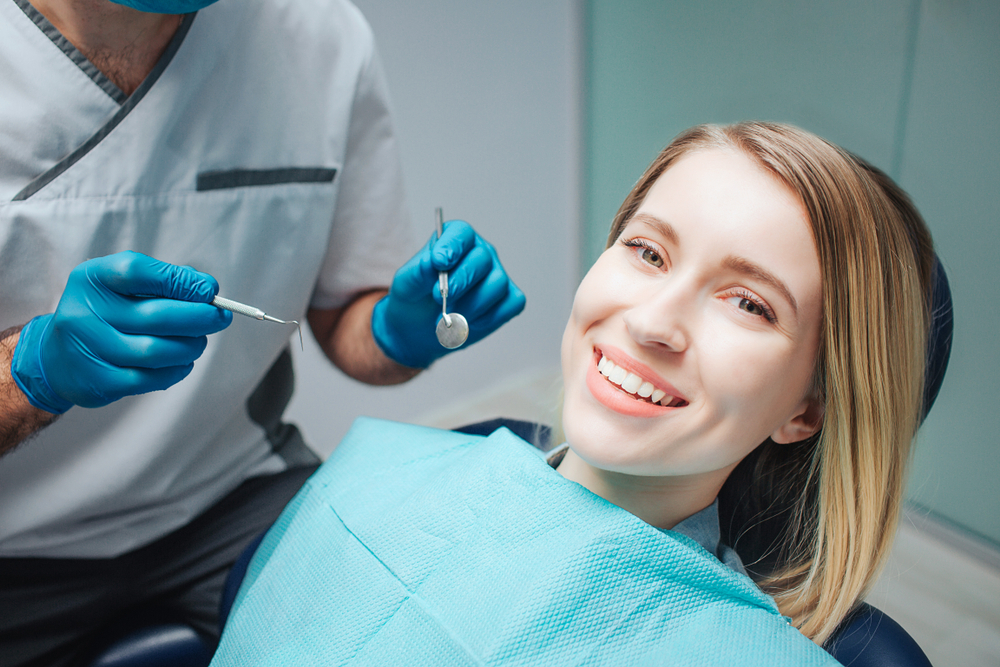
Understanding Tooth Replacement
Tooth replacement involves restoring missing teeth with artificial substitutes that look, feel, and function like natural teeth. Modern dental technology has transformed this field, offering solutions that go far beyond the removable dentures of decades past. Today’s options include permanent dental implants, fixed bridges, and custom dentures that integrate seamlessly with your existing teeth.
The right tooth replacement method depends on several factors: how many teeth you’ve lost, the health of your jawbone, and your lifestyle needs. Some solutions require surgical placement, while others work with your existing teeth structure. Each approach offers distinct advantages, and understanding these differences helps you make an informed decision about your oral health. A thorough dental evaluation can determine which restoration method best addresses your specific needs and restores your complete smile.

Benefits of Tooth Replacement
Protect Your Remaining Teeth From Extra Stress
Missing teeth force your remaining teeth to work overtime during chewing and biting. This excessive force causes premature wear, cracks, and potential fractures in healthy teeth. Tooth replacement distributes bite pressure evenly across your entire dental arch, protecting your natural teeth from damage. You’ll extend the lifespan of your existing teeth significantly and avoid the need for additional restorative work down the road.
Eliminate Jaw Pain and TMJ Discomfort
Missing teeth force your jaw to function improperly, creating strain on your temporomandibular joint (TMJ). This misalignment leads to chronic headaches, jaw clicking, and facial pain that worsens over time. Replacing missing teeth restores proper bite alignment and reduces stress on your jaw joints. You’ll experience relief from tension and enjoy comfortable jaw movement throughout your day without constant discomfort.
Reduce Your Risk of Gum Disease
Gaps created by missing teeth become hard-to-clean areas where bacteria accumulate and thrive. These spaces turn into breeding grounds for infection, increasing your risk of periodontal disease. Tooth replacement eliminates these vulnerable pockets and makes daily oral hygiene more effective. Your gums stay healthier, and you lower your chances of developing serious infections that threaten your remaining teeth and overall oral health.
Improve Your Digestive Health
A complete set of teeth allows you to properly break down food before swallowing. Incomplete chewing forces your digestive system to work harder, potentially causing stomach discomfort and nutrient absorption issues. Dental implants and other tooth replacement options restore your ability to thoroughly chew food. Your body processes nutrients more efficiently, supporting better overall health and energy levels throughout the day.
Prevent Bone Loss and Facial Changes
Losing a tooth triggers jawbone deterioration beneath the empty space due to lack of stimulation. This bone loss can change your facial structure, creating a sunken appearance that ages you prematurely. Dental implants act as artificial tooth roots that preserve your bone density and maintain your facial contours. Replacing missing teeth promptly protects both your oral health and your appearance for years to come.
Our Tooth Replacement Process
Comprehensive Evaluation and Digital Imaging
Your first visit includes a complete oral examination where Dr. Chiara Combs DDS assesses your teeth, gums, and jawbone health. Advanced digital X-rays and 3D imaging reveal bone density levels and identify any underlying issues that need attention. This thorough evaluation determines which tooth replacement solution, dental implants, bridges, or dentures, will deliver the best results for your specific situation and oral health goals.
Personalized Treatment Design
Dr. Combs creates a detailed treatment plan based on your examination findings and lifestyle preferences. You’ll see visual representations of your expected results and receive clear timelines for each phase of treatment. The plan addresses any preparatory procedures you might need, such as bone grafting, before permanent tooth placement. New patients receive a complimentary implant consultation to explore all available tooth replacement options with our team.
Precision Tooth Replacement Procedure
The actual treatment varies based on your chosen solution but always utilizes modern dental technology for optimal outcomes. Dental implants involve careful surgical placement of titanium posts into your jawbone at locations with adequate bone density. Bridge preparation requires minimal reshaping of adjacent teeth to support the restoration. Our practice completes everything in-house, with multiple sedation options available to ensure your comfort during procedures.
Healing Period and Temporary Solutions
Implant placement requires time for your jawbone to fuse with the titanium posts through osseointegration. During this healing phase, you’ll receive temporary restorations that allow you to eat, speak, and smile normally. Dr. Combs monitors your progress throughout healing to ensure everything integrates properly. This period typically lasts several months, after which you’re ready for your permanent restoration.
Final Restoration and Ongoing Care
Once healing completes, your permanent replacement teeth are fabricated and secured in place. Custom crowns, bridges, or dentures are carefully matched to your natural teeth in color, shape, and size. Dr. Chiara Combs DDS ensures your bite feels comfortable and your smile looks natural before you leave our office. Regular checkups and proper home care keep your tooth replacement functioning beautifully for years, with professional cleanings maintaining both your natural and replacement teeth in excellent condition.
Why Choose Us for Tooth Replacement
Our practice eliminates the hassle of multiple specialist visits by providing complete tooth replacement services at one convenient Southwest Houston location. Dr. Chiara Combs DDS has built her practice around comprehensive restorative dentistry, handling everything from bone grafts to final prosthetic placement without outside referrals. Her educational background includes a Bachelor of Science in Biology from the University of Houston and a DDS from the University of Texas–Houston Dental Branch, complemented by continuous training in surgical procedures, cosmetic dentistry, and advanced implant techniques. Dr. Combs evaluates your specific situation to recommend the most effective solution for restoring your complete smile. Multiple sedation methods ensure your comfort during procedures, and our team works closely with you throughout every step of your treatment. You work with one experienced team from consultation through final restoration, receiving consistent, personalized care tailored to your unique needs and goals.
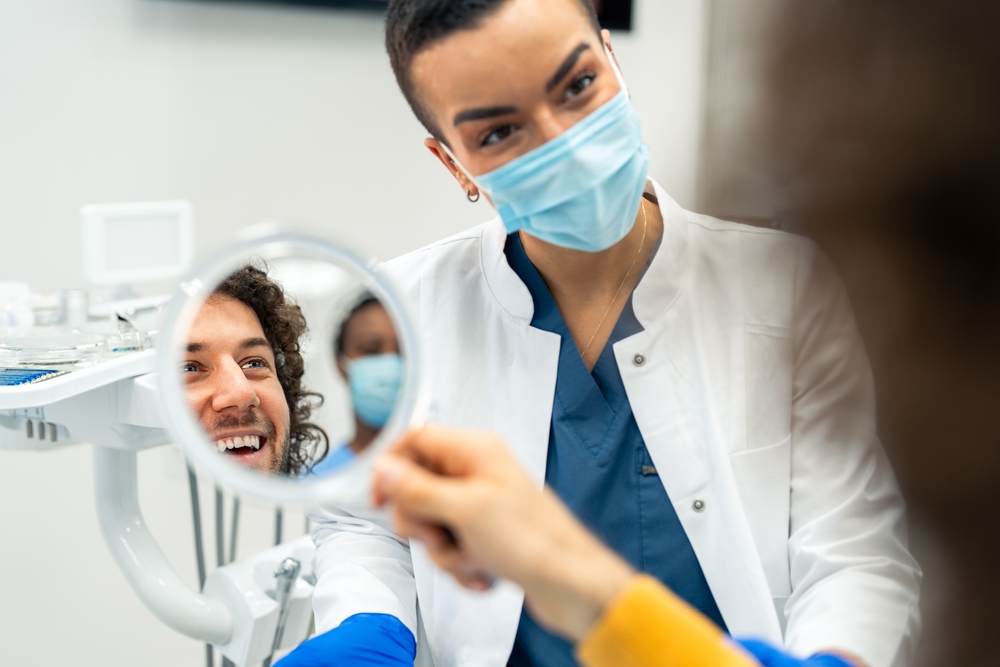

Restore Your Smile With Tooth Replacement
Missing teeth don’t have to hold you back from eating the foods you love or smiling with confidence when you choose tooth replacement at Ideal Smiles Family Dentistry. Dr. Chiara Combs DDS and our team are ready to help you explore solutions that fit your needs, starting with a complimentary implant consultation for new patients. Locate us easily at 8201 S Gessner Rd E, Houston, TX 77036 with a quick search on Google Maps. See real results from our patients and receive timely practice announcements by following our Facebook and Instagram pages. Call 713-270-9926 now to schedule your appointment and take the first step toward restoring your smile.
FAQs
What is a replacement tooth called?
A replacement tooth goes by several names depending on the type. A crown attached to an implant is called a prosthetic tooth or implant crown. The artificial tooth in a bridge is called a pontic. In dentures, each individual replacement tooth is called a denture tooth, while the entire restoration may be called a prosthesis.
How to replace a missing tooth yourself?
Attempting to replace a missing tooth yourself is strongly discouraged and can lead to serious health complications, infections, and further damage to your oral structures. Only a licensed dentist has the training, sterile equipment, and medical-grade materials necessary to safely restore missing teeth. Schedule a professional consultation to explore safe, effective tooth replacement options like implants, bridges, or dentures that are designed specifically for your needs.
Can tooth enamel be replaced?
Tooth enamel cannot be naturally regenerated or replaced once it’s worn away, as it contains no living cells. However, dentists can restore the appearance and protection of damaged enamel using treatments like bonding, veneers, or crowns. Preventive care including fluoride treatments and proper oral hygiene helps strengthen existing enamel and prevent further erosion.
Can a tooth crown be replaced?
Yes, tooth crowns can be replaced when they become worn, damaged, or no longer fit properly due to changes in your oral structure. The replacement process involves removing the old crown, examining the underlying tooth for decay or damage, and fabricating a new custom crown. Most crowns last 10-15 years with proper care, but your dentist will monitor them during regular checkups and recommend replacement when necessary.
What happens if you don't replace a missing tooth?
Leaving a missing tooth untreated causes multiple problems over time. Adjacent teeth shift into the empty space, creating misalignment and bite issues. Your jawbone deteriorates from lack of stimulation, potentially changing your facial structure. Chewing becomes less efficient, possibly affecting your nutrition, and you face increased risk of gum disease and decay in surrounding teeth. Schedule a consultation to discuss how tooth replacement can prevent these complications.